

Drilled a New Well and Found No Water? What North Texas Owners Should Know
October 14, 2026
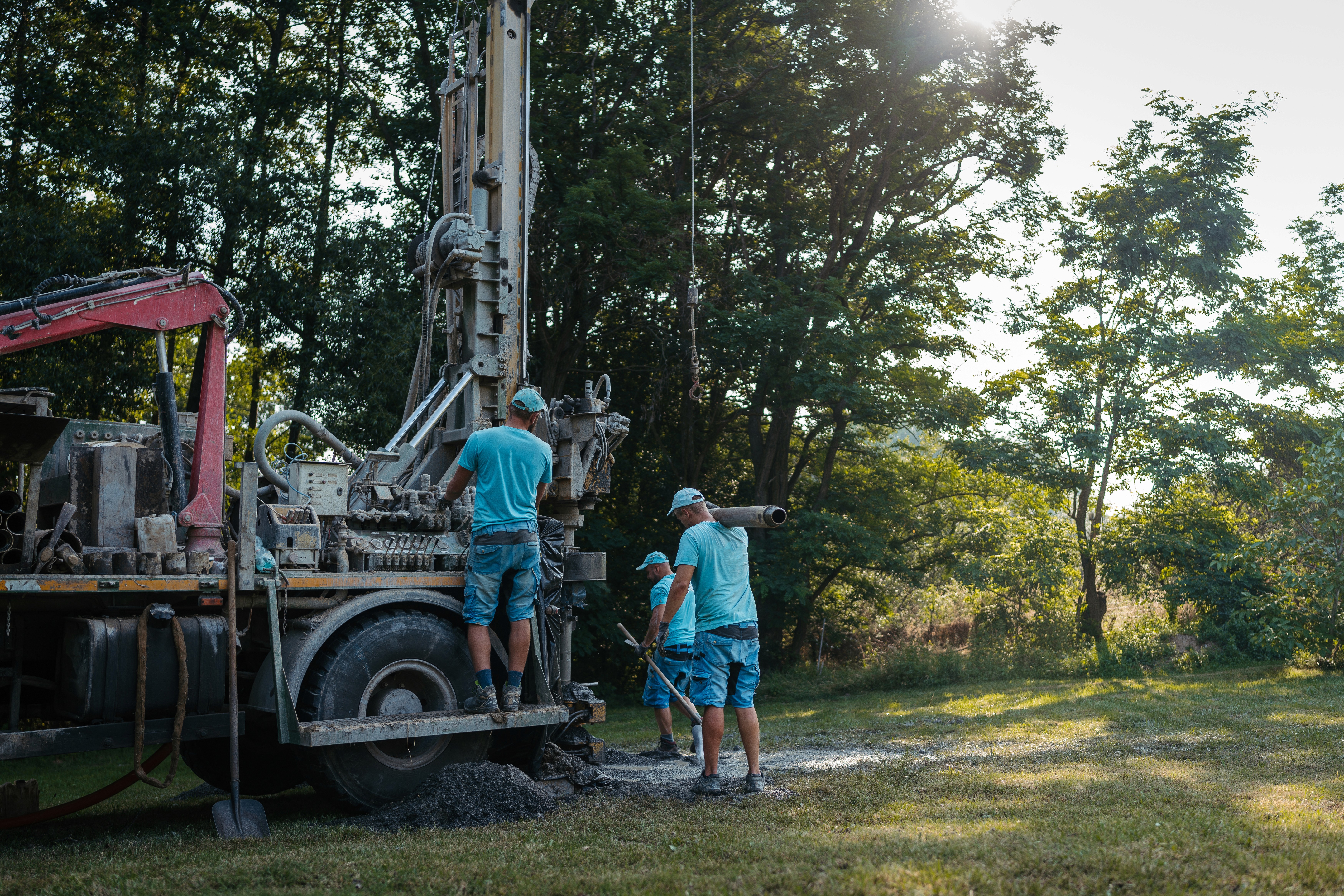
A drilled well with no water is one of the most stressful moments in owning rural property. The rig is still on site, the invoice is coming, and the borehole is either dry or producing too little water to meet normal household demand on its own. Before deciding anything, it helps to know why it happened, what can still be done and what Texas requires.
The answer is rarely the same for two properties. Sometimes the well only needs development or a pump test to prove its real yield. Sometimes it needs more depth, and sometimes it needs a new location chosen from better data.
When we plan a replacement well, we start by reviewing neighboring well records, the target aquifer and the depths that have produced water nearby. Our water well drilling process explains how Flowcore uses that information to site and drill new wells. Call (817) 480-7971 to talk through your situation with our team.
Why Would a Newly Drilled Well Have No Water?
A newly drilled well usually has no water for one of four reasons: the borehole missed a productive water-bearing zone, it stopped above a productive water-bearing zone, it was not fully developed after drilling, or the problem is the pump or plumbing rather than the well. Each one points to a different fix, so the cause matters before any money is spent.
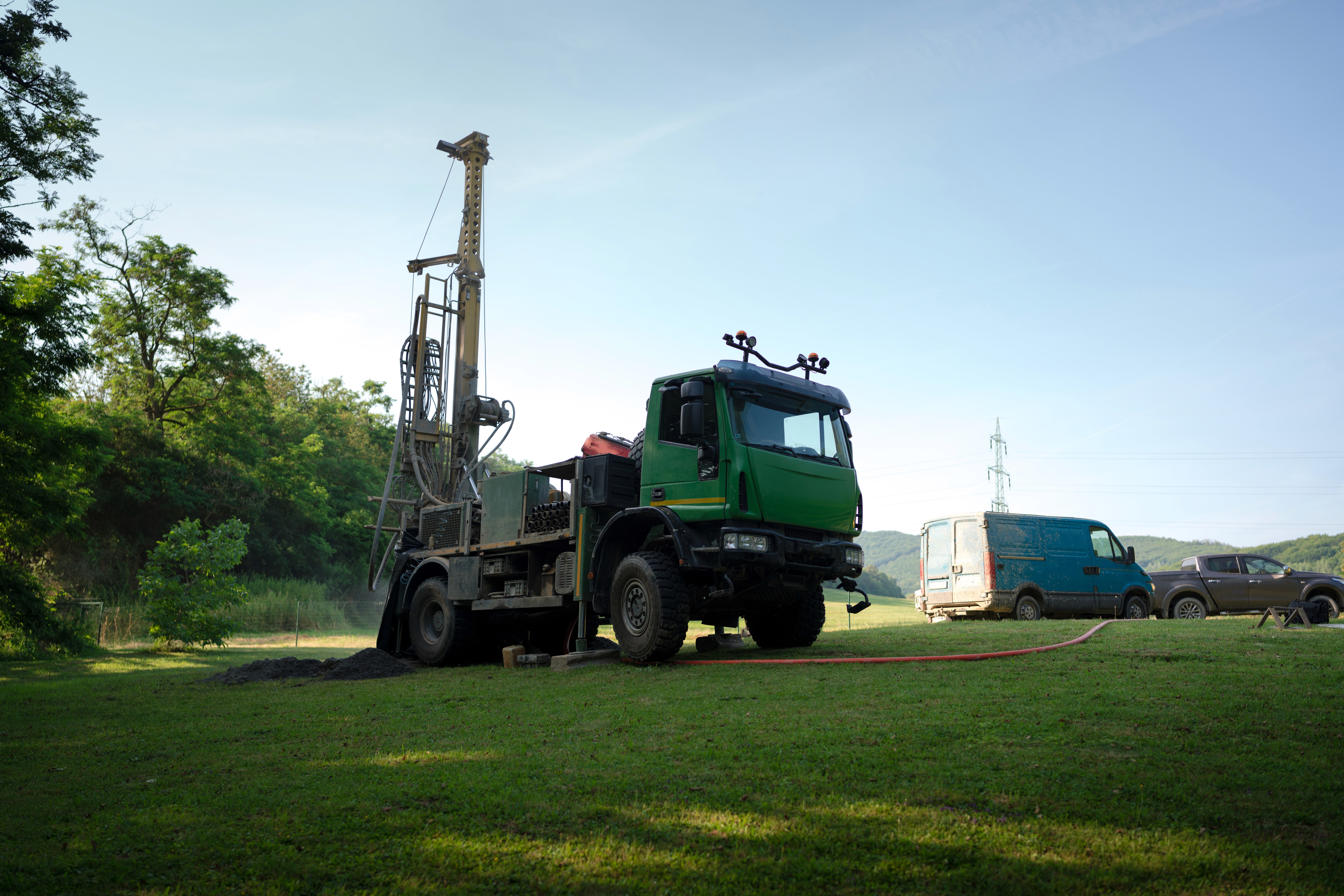
The borehole missed a productive zone
Aquifers are not underground lakes. In North Texas, water moves through layers of sand and sandstone within formations such as the Trinity, and those layers thin, thicken and change from one property to the next. A well can reach the right formation and still pass through a section that gives up very little water.
The well stopped above a productive zone
Depth requirements vary widely across the area. In our experience across much of the DFW area we serve, productive Trinity Aquifer wells commonly run about 300 to 700 feet deep. Farther northwest, water can sit much lower in the ground.
A Texas Water Development Board monitoring well in Wise County shows why two different numbers matter. The well itself is 854 feet deep, which is its total drilled depth. In August 2026 the water level inside it stood about 500 feet below the ground surface, which is where the water actually rises to in the casing.
The well was not fully developed
Drilling leaves fine sediment and drilling fluid in the formation around the borehole, and that material can choke off flow. Development clears it by surging and air-lifting the well until the water runs clean. Proper development can significantly improve the yield of a well when drilling fluid, sediment or fine formation material is restricting flow.
The problem is the pump, not the well
If water was there during drilling and nothing reaches the house now, the well itself may be fine. A pump set at the wrong depth, a failed pressure switch or a wiring fault can all look like a dry well. If your well produced for years and then stopped, our guide on what to do when an existing well stops producing walks through those checks.
Is It a Dry Hole or a Low-Yield Well?
A dry hole produces no usable water at all, while a low-yield well produces water too slowly to keep up with household demand. The difference is measured with a pump or yield test, which records how many gallons per minute the well delivers and how quickly the water level recovers. A well that initially appears dry may turn out to be low-yield once its production and recovery are properly tested.
That distinction changes the options. A low-yield well can often supply a home through a storage tank that fills slowly around the clock, paired with a booster pump that delivers pressure to the house. A true dry hole has no such path, and the decision becomes whether to deepen, relocate or plug.
Ask for the State of Texas Well Report
Texas requires the licensed driller to submit a State of Texas Well Report no later than 60 days after drilling is completed or stops, under 16 TAC 76.70. The rule requires a copy for the well owner and, where the well sits inside a groundwater conservation district, a copy for that district. The report records information such as the well depth, formations encountered, water-bearing strata and construction details, which makes it the best starting point for any second opinion.
What Are Your Options After Hitting No Water?
Your options after hitting no water are to develop the existing well, deepen or rehabilitate it, drill a new well in a better location, or plug the hole. The right choice depends on the well report, the yield test and what neighboring wells have produced at similar depths.
Develop the well
If the well found water-bearing sand but flow is weak, development is usually the first step because it works with the borehole already drilled.
Deepen or rehabilitate the existing well
When the well report shows the driller stopped above a productive layer, deepening can reach it. Wells that once produced well and have declined may respond to well rehabilitation to restore lost yield, which clears mineral buildup and fouling from the screen and borehole.
Drill a new well in a better location
Sometimes the honest answer is a new borehole. A replacement well should be sited using data, not guesswork: neighboring well logs, the target formation and the depth that has produced reliable water nearby. That review comes first whenever Flowcore drills a replacement well. For budgeting, see our breakdown of what drives the cost of drilling a well in North Texas.
Plug the dry hole
An open borehole is a direct path for surface contamination to reach groundwater, and it is a physical hazard. Texas Occupations Code 1901.255 defines an abandoned well as one that is not in use, and it sets specific conditions for what counts as in use.
Under the same section, an owner or person possessing an abandoned or deteriorated well must have it plugged or capped within 180 days after learning of its condition. Whoever plugs the well must submit a plugging report within 30 days after plugging. Our well abandonment and plugging service handles the work and the report.
How Can You Lower the Odds of a Dry Hole?
You can lower the odds of a dry hole by choosing the drilling location from neighboring well records, confirming the target aquifer and depth before the rig arrives, and agreeing in writing how a non-producing well will be handled. No method removes the risk entirely, but data narrows it considerably.
Review nearby well reports. Drillers file well reports with the state, and those records can show the depths, formations and reported water conditions in nearby wells.
Know your groundwater district. The Northern Trinity Groundwater Conservation District covers Tarrant County, and the Upper Trinity Groundwater Conservation District covers Parker, Wise and Montague counties. Each sets its own registration and permitting rules.
Settle the dry-hole terms first. Ask how footage, casing and plugging are billed if the well does not produce, and get the answer in the contract.
Decline in aquifer levels adds to the risk. A February 2025 groundwater presentation from the North Central Texas Council of Governments notes that wells produce less as water levels fall and can go dry when the level drops below the screened interval. We drill and service wells across Springtown and Parker County, Decatur and Wise County and the wider DFW area.
Frequently Asked Questions About Drilled Wells With No Water
Do you have to pay for a dry hole?
Whether an owner pays for a dry hole depends on the drilling contract, not on state law. Before signing, ask the driller in writing how footage, casing, materials and plugging are billed if the well does not produce, and whether any dry-hole adjustment applies. Agreeing on those terms first avoids a dispute later.
Does a dry hole have to be plugged in Texas?
A dry hole that is abandoned rather than completed for use generally must be properly plugged or capped under Texas requirements. Texas Occupations Code 1901.255 requires an owner or person possessing an abandoned or deteriorated well to have it plugged or capped within 180 days after learning of its condition. A plugging report must be submitted within 30 days after the well is plugged.
Can you drill deeper if a new well has no water?
Sometimes. If nearby well records and the drilling log show a productive water-bearing zone below the current depth, deepening the existing borehole may make sense. Drilling deeper does not guarantee water, though. The decision should be based on the formations already encountered, nearby well records and the cost of continuing compared with drilling at a different location.
Can a low-yield well still supply a house?
A low-yield well can often supply a house when it fills a storage tank over the full day, with a booster pump delivering pressure from the tank to the home. Whether that works depends on the measured yield, household demand and irrigation needs, which is why a yield test comes before any equipment decision.
How deep are water wells in North Texas?
Water wells in North Texas vary widely in depth because aquifer layers change across the region. In our experience across much of the DFW area, productive Trinity Aquifer wells commonly run about 300 to 700 feet deep. Farther northwest they can be deeper: one state monitoring well in Wise County is 854 feet deep, with its water level about 500 feet below the surface in August 2026.
If your new well came up dry or weak, the next step is to review the well report and confirm the well's actual yield before spending more money on drilling or equipment.
Call (817) 480-7971 or send us the details of your property, and we'll review what was found and recommend the next step for your property.
By Robert Reagan, CEO, Flowcore Water
Licensed Texas water well contractor serving Dallas-Fort Worth and North Texas since 2006.
Published October 2026
Get Pre-Approved Financing
Flowcore Water partners with Greensky to offer convenient financing options for water well services
Flowcore Water Preferred Customer Membership
Enroll today and enjoy the year-long benefits!


