


A well repair call can go two very different ways. Either someone shows up, explains what's actually wrong, and gives you a number in writing before touching anything, or the number keeps moving, a trip charge appears you weren't told about, and you're left wondering whether the part they just recommended was ever really the problem. If you've had the second experience before, you're not imagining a pattern. It shows up often enough in reviews of well and plumbing companies across North Texas that it's worth knowing exactly what a fair quote looks like before you ever pick up the phone.
Need a well diagnosed the right way, in writing, before anyone recommends a repair? Call (817) 480-7971 for same-day service across the Dallas-Fort Worth Metroplex, and Flowcore's well repair technicians will walk you through what they find before they tell you what it costs.
What Should a Written Well Repair Quote Actually Include?
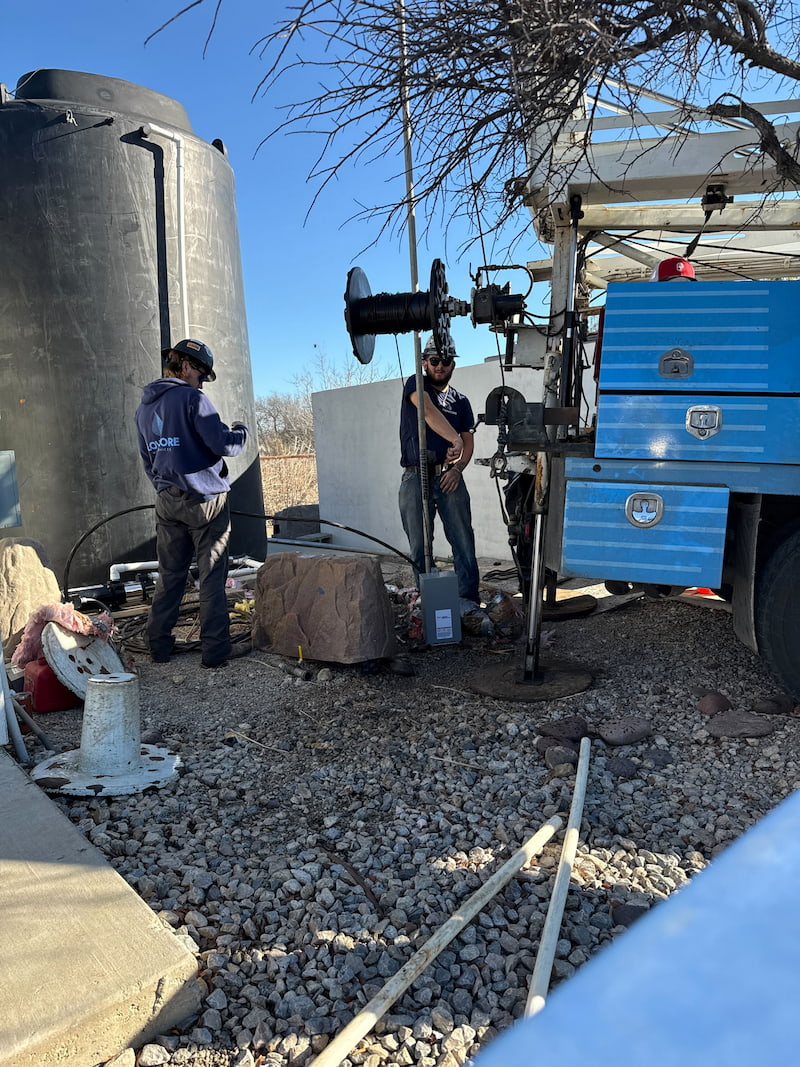
A quote that's worth trusting is one you could hand to a second company and have them understand exactly what's being proposed. That means it needs to be specific, not a single rounded-up number with "well repair" written next to it.
An itemized breakdown of labor and parts
Labor and parts should appear as separate lines, not folded into one total. If a pressure switch, a check valve, or a pump motor is being replaced, the quote should name it. This is the single most reliable way to compare one company's number against another's, and it's the standard Wellowner.org, the National Ground Water Association's consumer site, recommends when it advises getting a written contract before any well work begins.
What the trip or diagnostic fee actually is
Most well and pump companies charge something to send a technician out and diagnose the problem. Nationally, that fee commonly falls in the $100 to $150 range, with some emergency or after-hours calls running higher, according to current market data from Angi and HomeGuide. Those figures are general industry ranges, not a Flowcore quote, but they're useful as a sanity check. What matters more than the exact dollar amount is whether the company tells you about it before the technician arrives, and whether it's applied toward the repair cost if you decide to move forward. A company that won't answer that question on the phone is telling you something.
What was actually tested before the recommendation
A quote for a new pump means very little if you don't know what else was ruled out first. A pressure switch, a waterlogged pressure tank, a tripped breaker, and a failing pump can all produce the same symptom, an ordinary faucet with no water behind it. The quote, or the conversation attached to it, should tell you which of those the technician actually checked before landing on the diagnosis.
Licensing and insurance, stated plainly
Wellowner.org's guidance for selecting a contractor puts license verification and liability insurance near the top of the list, alongside whether the company is a member of or certified by the National Ground Water Association. A company confident in its standing will give you this information without hesitation.
Why Do Well Companies Charge a Trip Fee, and Is It Fair?
A trip or service call fee exists because diagnosing a well problem takes real time and equipment even when no repair happens that day, and a company that never charged for that would eventually have to build the cost into every other job instead. That's a reasonable business reality, not a red flag by itself. The fee becomes a problem when it's a surprise: sprung on you after the technician has already made the drive, or applied inconsistently depending on how the visit is going. A fair version of this fee is disclosed before scheduling, stated as a specific number rather than "we'll figure it out when we get there," and, ideally, credited toward the repair if you decide to proceed. Asking about this upfront, before you agree to a service call, costs you nothing and tells you a lot about how the rest of the visit will go.
What Are the Red Flags When You're Getting a Well Repair Quote?
Most of the warning signs that show up in well and plumbing complaints, and in broader home repair scam research from sources like Hippo's insurance research team, follow a small number of recognizable patterns.
The estimate has no breakdown
If the number you're given is a single lump sum with no explanation of what's included, that's the first thing to push back on. A vague description like "repair well system" with no parts or labor listed is a documented pattern in repair-estimate complaints across service industries, not just well work, and it makes comparing two companies' pricing nearly impossible.
No one will confirm licensing or insurance
A company that deflects or gets vague when you ask about licensing, insurance, or NGWA affiliation is asking you to take a lot on faith for a job that often runs into the thousands of dollars.
You're pushed to decide before you've seen anything in writing
High-pressure tactics to approve work on the spot, before you've had a chance to read an estimate or think it over, are one of the clearest warning signs identified across home repair fraud research. A legitimate company gives you time to review what's being proposed.
The price swings wildly with no explanation
Some price movement between an initial estimate and a final number is normal when something unexpected turns up once equipment is actually opened. A pattern of large, unexplained swings on every job, without a specific reason attached, is different, and it's worth asking directly why the number changed before you approve anything further.
Why "Diagnose First, Quote Second" Protects You
The order of operations matters more than almost anything else in this process. A technician who checks the pressure switch, the tank's air charge, and the wiring before recommending a pump replacement is protecting your money, not just fixing your water, because replacing a pump when the actual failure was a much smaller part is one of the most common and most expensive misdiagnoses in well service. This is the same principle Flowcore applies when weighing well pump repair against replacement: the diagnosis comes first, and the recommendation follows what was actually found, not the other way around. If you're dealing with a well that's produced no water at all, the same logic applies to figuring out whether the cause is the pump, the tank, or a broken line before anyone quotes a fix.
The same principle extends to water quality concerns. If a company recommends a treatment system before testing your actual water, ask why. A baseline water test gives both you and the technician a real basis for a treatment recommendation, rather than a generic system sold to every customer regardless of what's actually in their water.
What Should Happen After the Repair Is Done?
A finished repair should come with a plain explanation of what failed, what was done about it, and why, not just a total on an invoice. If a $4,000 pump replacement was recommended, you should be able to ask what ruled out a $200 pressure switch first, and get a real answer. This is also a fair moment to ask about warranty coverage on both the part and the labor, since a company confident in its diagnosis should stand behind the fix. If you're comparing more than one company before committing to a repair, Flowcore's guide to evaluating water well companies in North Texas covers the review history and licensing checks worth running before you pick anyone, and Flowcore's own customer reviews are a place to see how past jobs, not just quotes, actually played out.
Frequently Asked Questions About Well Repair Quotes in North Texas
What should a proper well inspection actually include?
A proper inspection before any repair quote should check the power supply and breaker, the pressure switch and gauge, the pressure tank's air charge, the visible wiring, and the pump's actual output, not just a guess based on the symptom you called about. If a company writes a quote without checking these things first, ask what the quote is actually based on.
Why does my well repair cost keep going up after the first visit?
Costs that climb after the first visit are usually one of two things: a legitimate discovery once the equipment is opened up, such as wiring damage that couldn't be seen from the surface, or a company that quoted low to win the job and added charges once you were already committed. A written, itemized quote based on a real inspection is what protects you from the second scenario, and it's reasonable to ask a company to explain in writing why a number changed.
Is there a minimum trip fee, and how much should I expect to pay just for someone to show up?
Nationally, service call or trip fees for well and pump work commonly run in the $100 to $150 range, with some markets and emergency calls running higher. These are general market figures, not a Flowcore quote. What matters most is whether the company discloses the fee before the technician arrives and tells you whether it applies toward the repair cost if you move forward.
How can I tell if a well company is quoting me for parts I don't need?
Ask for the quote to list each part and labor charge separately, and ask what test or observation led to each recommended repair. A company that checked the pressure switch, the tank, and the wiring before recommending a pump replacement can tell you why those cheaper parts were ruled out first. A company that jumps straight to the most expensive fix without explaining what it ruled out is a reasonable point to pause and ask more questions.
What happens after the repair, do they explain what was fixed and why?
A company that stands behind its work should be able to tell you plainly what failed, what was replaced or repaired, and why, in language you can actually follow, not just a line item on an invoice. If a technician can't explain what was done after the job is finished, ask before considering the job complete.
How do I get a written quote and a baseline water test before hiring anyone?
Ask directly, before scheduling: will the quote be provided in writing, itemized by part and labor, and will the technician test the well and pump system before recommending any repair. For water quality concerns, ask whether baseline testing is available before committing to treatment equipment. Wellowner.org, the National Ground Water Association's consumer site, recommends getting a written, itemized contract and confirming licensing and NGWA membership before hiring any well contractor.
If you're facing a well repair decision right now and want a straight answer in writing before anything is fixed, call (817) 480-7971 or schedule a visit online. Flowcore also partners with GreenSky to offer financing options for larger well repairs, and homeowners who want ongoing peace of mind between service calls can ask about the Preferred Customer Membership.
Get Pre-Approved Financing
Flowcore Water partners with Greensky to offer convenient financing options for water well services
Flowcore Water Preferred Customer Membership
Enroll today and enjoy the year-long benefits!

