


When a well pump starts acting up — sputtering faucets, a pressure drop that won't correct itself, water that suddenly runs cloudy — most North Texas homeowners land on the same question: is this a repair, or is it time for a new pump? The honest answer depends less on any single symptom and more on the pump's age, how the current problem fits into its repair history, and what the numbers actually say once you compare the cost of fixing it against the cost of replacing it.
If you're facing that decision right now, Flowcore's well repair technicians can diagnose the actual cause before recommending either path. Call (817) 480-7971 for same-day service across the Dallas-Fort Worth Metroplex.
How Old Is Your Well Pump? That's the First Question
Age is the single most reliable input in a repair-or-replace decision. Submersible well pumps — the type installed in the large majority of North Texas residential wells — typically last 8 to 15 years, with an average service life in the 10-to-12-year range under normal conditions. Pumps in wells with good water quality, correct horsepower sizing, and surge protection tend to land at the higher end of that range. Pumps working against sediment, iron content, or an undersized motor tend to fail sooner.
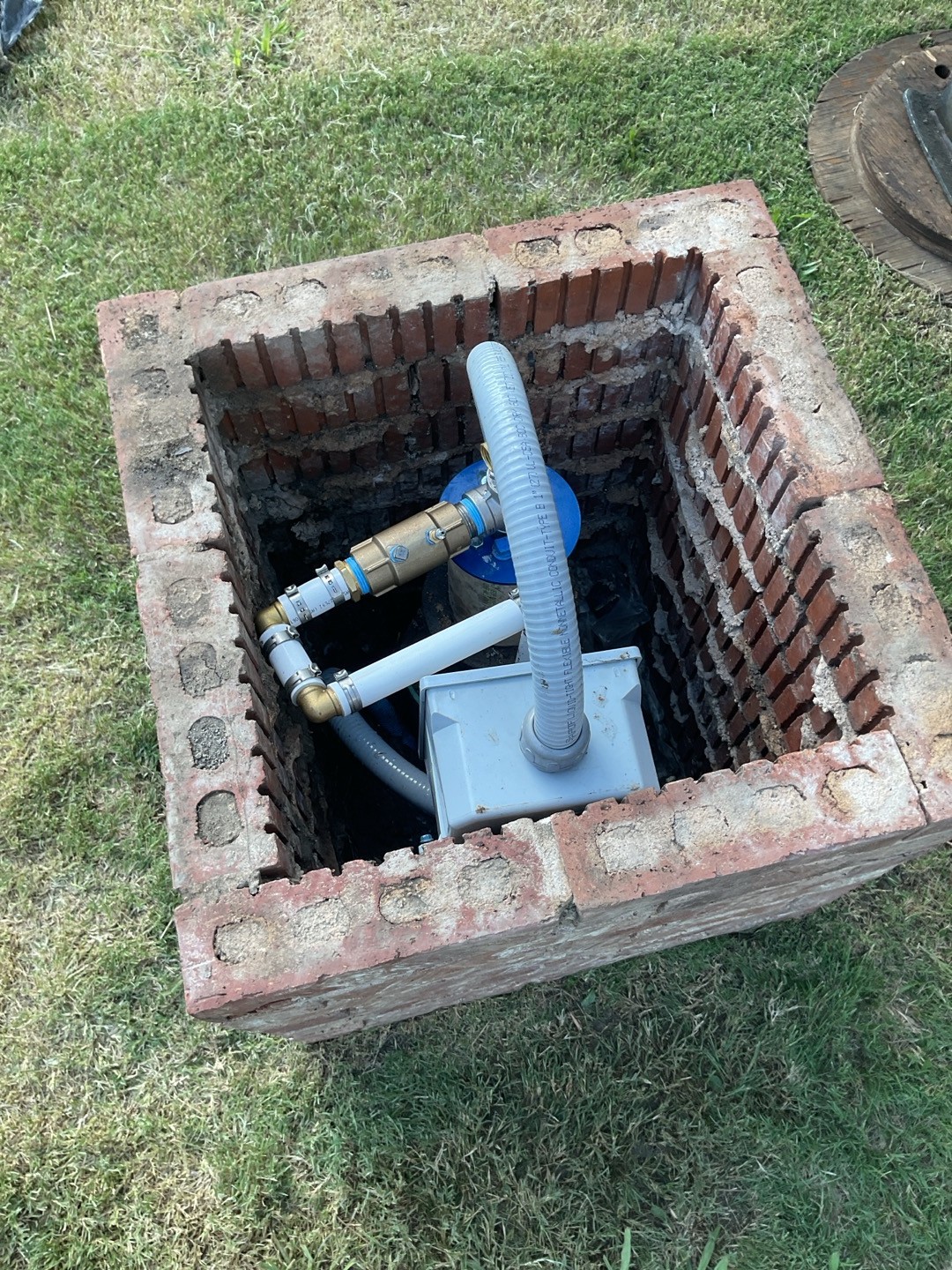
Under 8 years old: A pump this young with a single, clearly defined failure — a burned-out motor winding, a failed check valve, a bad wire splice — is almost always worth repairing. The equipment has substantial remaining life, and there's no structural reason to replace a young pump over an isolated component issue.
8 to 12 years old: This is the evaluation window. A pump in this range having its first repair may still be the right candidate for a fix. A pump that has already needed two or more service calls in the past year is trending toward the point where another repair is a delay, not a solution.
Over 12 years old: At this age, replacement is usually the more reliable long-term move, even when the specific failure looks repairable. An older pump's motor windings, bearings, and seals have all been under continuous load for over a decade. What looks like one isolated failure is frequently the first of several that follow in close succession.
What Are the Warning Signs That Point to Pump Failure?
Some symptoms carry more weight than others when it comes to deciding whether the pump itself — not the pressure tank, the pipe, or the switch — is the actual problem.
A gradual or sudden drop in water pressure across the whole house, rather than at one fixture, points toward the pump or the pressure tank rather than a localized pipe issue.
Sputtering, air, or spitting water when a faucet is first turned on often means the pump is struggling to maintain a steady column of water, which can indicate a failing check valve, a pump losing prime, or a well running low.
Water that suddenly runs discolored, gritty, or sandy — especially if your water has run clear for years — frequently shows up when a pump is nearing the end of its life and pulling sediment it previously wasn't.
Unusual sounds from the well equipment — clicking, humming, rattling, or grinding — point to motor wear, damaged bearings, or an impeller that's no longer seated correctly.
Frequent short-cycling, where the pump kicks on and off rapidly instead of running a normal cycle, is one of the most common early indicators of a pump or pressure-switch problem and is worth having diagnosed before it strands you without water.
Well Pump Repair vs. Replacement: What Does It Actually Cost?
National market data gives a useful frame of reference, though every well is different and the numbers below are general figures — not a Flowcore quote. Submersible well pumps, installed, commonly run in a range that scales with horsepower and well depth: shallower wells sit toward the lower end, and wells running several hundred feet deep sit meaningfully higher, since well depth is the single largest cost driver in any pump replacement. Labor is a separate line item on top of the pump and piping, and it varies with how the well is configured and how deep the pump has to be pulled.
The standard rule of thumb for a repair-or-replace decision on any major home system is the 50% rule: if a repair costs more than half of what full replacement would cost, replacement is usually the smarter move — particularly on a pump that's already past the 10-year mark. A useful extension: multiply the pump's age by the repair cost. If that figure approaches or exceeds the cost of a new pump, you're likely paying for two repairs instead of one, because an older pump with one costly failure tends to have another one following close behind.
Because every well's depth, casing condition, and pump specification are different, the only accurate number for your specific situation comes from an on-site assessment. Flowcore provides that assessment before recommending either path, and offers financing through GreenSky for homeowners who'd rather not absorb a full pump replacement as a single cash expense.
Is It Always the Pump? What Else Causes "No Water" Calls
Not every loss of pressure or water traces back to the pump itself. A stuck or miscalibrated pressure switch, a waterlogged pressure tank, a cracked or corroded pipe, or a failed check valve can all produce symptoms that look identical to pump failure from inside the house. This is exactly why a proper diagnostic matters before anyone recommends a new pump: replacing a $4,000 pump when the actual failure was a $200 pressure switch is an expensive misdiagnosis, and it happens more often than it should when a company defaults to replacement without confirming the cause. A technician who checks the pressure switch, inspects the tank's air charge, and pulls the pump only when the evidence points there is protecting your wallet, not just fixing your water.
Why Timing Matters More in North Texas Right Now
Well pump failures in North Texas follow a predictable seasonal pattern: demand and strain both climb through the summer as household water use increases, and pumps that were already marginal tend to fail under that added load. This summer has been an unusual one for rainfall — the Dallas-Fort Worth Metroplex saw one of its wettest Junes on record, which has meaningfully reduced drought conditions across most of North and Central Texas. But the seasonal outlook for the rest of summer still favors above-normal temperatures, and heat-driven water demand puts the same strain on an aging pump regardless of how much rain fell the month before. A pump that's already in the 8-to-12-year window is more likely to show a failure during a hot, high-demand stretch than during a mild one — which makes July and August the months homeowners most often find out the hard way whether their pump had one season left in it.
Frequently Asked Questions About Well Pump Repair vs. Replacement
How do I know if I need to repair or replace my well pump?
The decision comes down to three factors: the pump's age, whether the current failure is isolated or part of a pattern, and how the repair cost compares to full replacement. A pump under 8 years old with a single, clearly defined failure is typically worth repairing. A pump over 12 years old, or one that has already needed more than one repair, is usually a better candidate for replacement rather than another isolated fix.
How much does well pump replacement cost in North Texas?
National market data puts well pump replacement in a broad range depending on pump type, horsepower, and well depth, with depth being the single biggest driver of the final number. These are general market figures, not a Flowcore quote — every well is different, and Flowcore provides a free on-site assessment before recommending repair or replacement.
How long do well pumps typically last?
Submersible well pumps typically last 8 to 15 years, with an average service life in the 10-to-12-year range under normal conditions. Pumps in wells with good water quality, correct sizing, and surge protection tend to last longer; pumps working harder against sediment or iron content tend to fail sooner.
What are the warning signs my well pump is failing?
Common warning signs include a noticeable drop in water pressure, sputtering or air in the line when a faucet is first turned on, water that suddenly runs discolored or gritty, and clicking, humming, or rattling sounds from the well equipment. Frequent short-cycling is also a common early indicator.
Is a sudden loss of water pressure always the pump's fault?
No. Low or lost pressure can come from the pump itself, a failing pressure tank, a clogged or damaged pipe, or a stuck pressure switch. Diagnosing which component has actually failed is the only way to avoid paying for a new pump when the problem was a far less expensive part.
Does Flowcore Water offer financing for well pump replacement?
Yes. Flowcore Water partners with GreenSky to offer financing options for well pump replacement and other water well services, so a pump failure doesn't have to mean an immediate full cash outlay.
If your well pump is showing any of these signs, Flowcore serves homeowners across Saginaw, Southlake, and the rest of the Dallas-Fort Worth Metroplex with same-day diagnostics — no default push toward replacement without a real inspection first. Call (817) 480-7971 or schedule a service visit online. For related reading, see Flowcore's guide on low well water pressure and the well inspection service page, or explore the Preferred Customer Membership to catch pump issues before they become no-water emergencies.
Get Pre-Approved Financing
Flowcore Water partners with Greensky to offer convenient financing options for water well services
Flowcore Water Preferred Customer Membership
Enroll today and enjoy the year-long benefits!


