

Buying a Home with a Well in DFW: The Pre-Purchase Inspection Every Buyer Should Demand
May 25, 2026
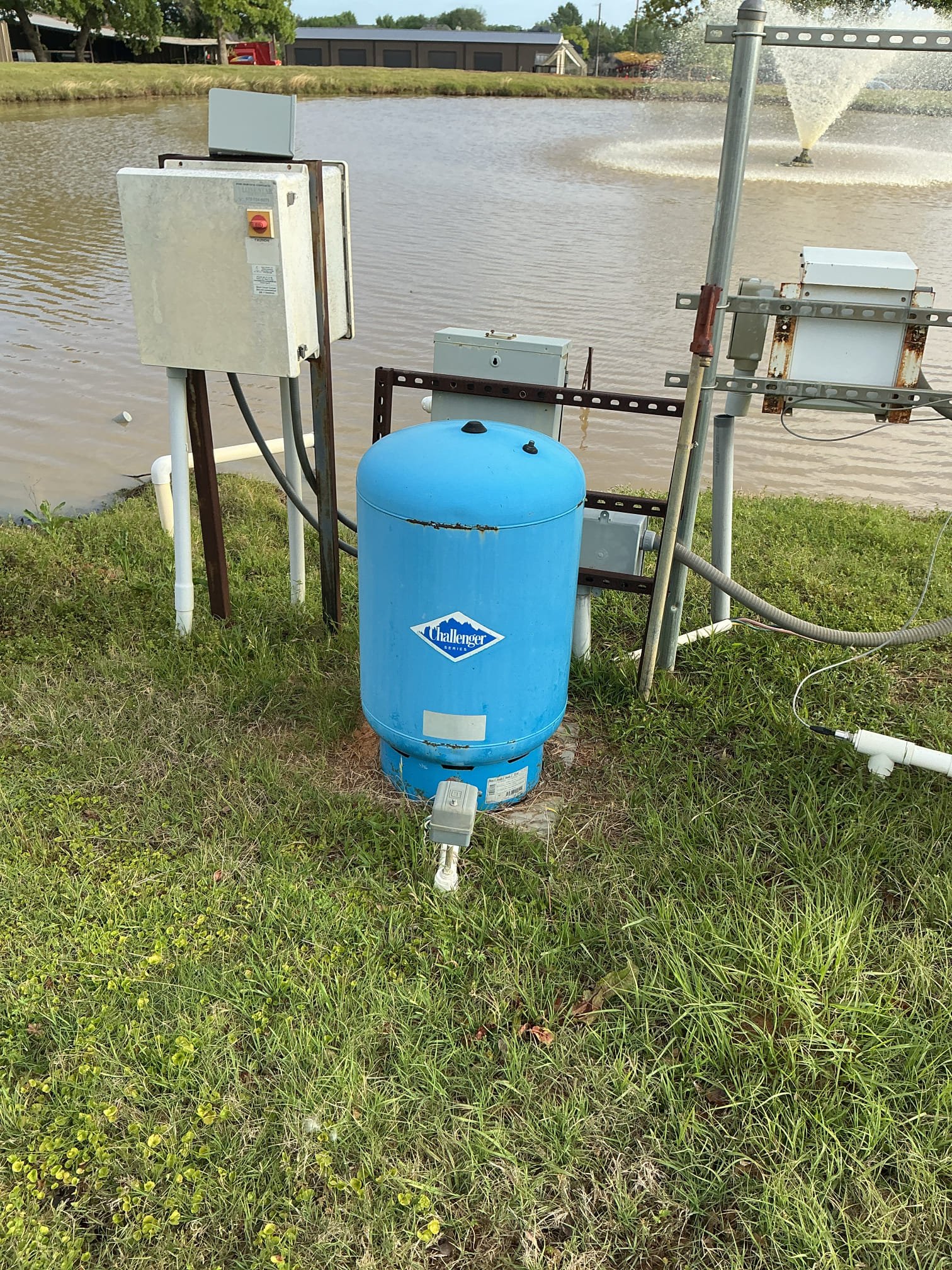
Most DFW buyers don't think about the private well on a property until after closing. The home tours close around the kitchen and the lot, the offer goes in, and the well — who maintains it, what condition it's in, what's actually coming out of the tap — barely registers. Then within weeks of moving in, the pressure drops, the softener is past due, and the irrigation isn't responding. That call comes in to Flowcore every month, most recently from a buyer who had just closed on a home in southwest Fort Worth and needed a full system inspection of the well, pressure tank, softener, and irrigation in one visit. If you're closing on a home with a well in Southlake, Colleyville, Grapevine, Saginaw, Haslet, or anywhere across DFW, here's the pre-purchase inspection checklist that should happen before you sign — not after.
For a pre-purchase well inspection across DFW, call (817) 480-7971 or contact our team to schedule before your option period closes.
What Should You Have Inspected on a Well Before You Buy a Home in DFW?
The short answer is everything that affects whether water will come out of the tap clean and at full pressure for the next year. The longer answer is a structured walk-through of five systems — the pump and motor, the pressure tank and pressure switch, the well water itself, any softener or filtration equipment, and the irrigation system if one is tied to the well. Skipping any of the five is the most common reason new buyers end up paying for emergency work in the first six months. The cost of a thorough pre-purchase inspection is small relative to what a missed finding becomes after closing — when there's no seller to negotiate with and no contingency window left.
The Pre-Purchase Well Inspection Checklist for North Texas Buyers
Each of the five items below is something a qualified well company should physically verify, document with photographs, and put into the written report. Verbal assurances and the previous owner's word are not enough — a buyer can't take a verbal assurance to the negotiation table or to an insurance carrier later.
1. Pump and Motor Diagnostic
The pump is the most expensive single component in a well system, and pump age is the single most useful predictor of next-year repair costs. The inspector should record the pump make and model from the discharge head label, estimate pump age based on the install paperwork or visible wear, run a flow and pressure test at multiple fixtures inside the home, and listen for short-cycling behavior. If the pump is approaching or past typical service life, that goes into the report — and into the buyer's negotiation conversation with the seller. For deeper context on what to expect from a North Texas pump assessment, our overview of well pump repair covers the failure patterns Flowcore sees most often.
2. Pressure Tank and Pressure Switch
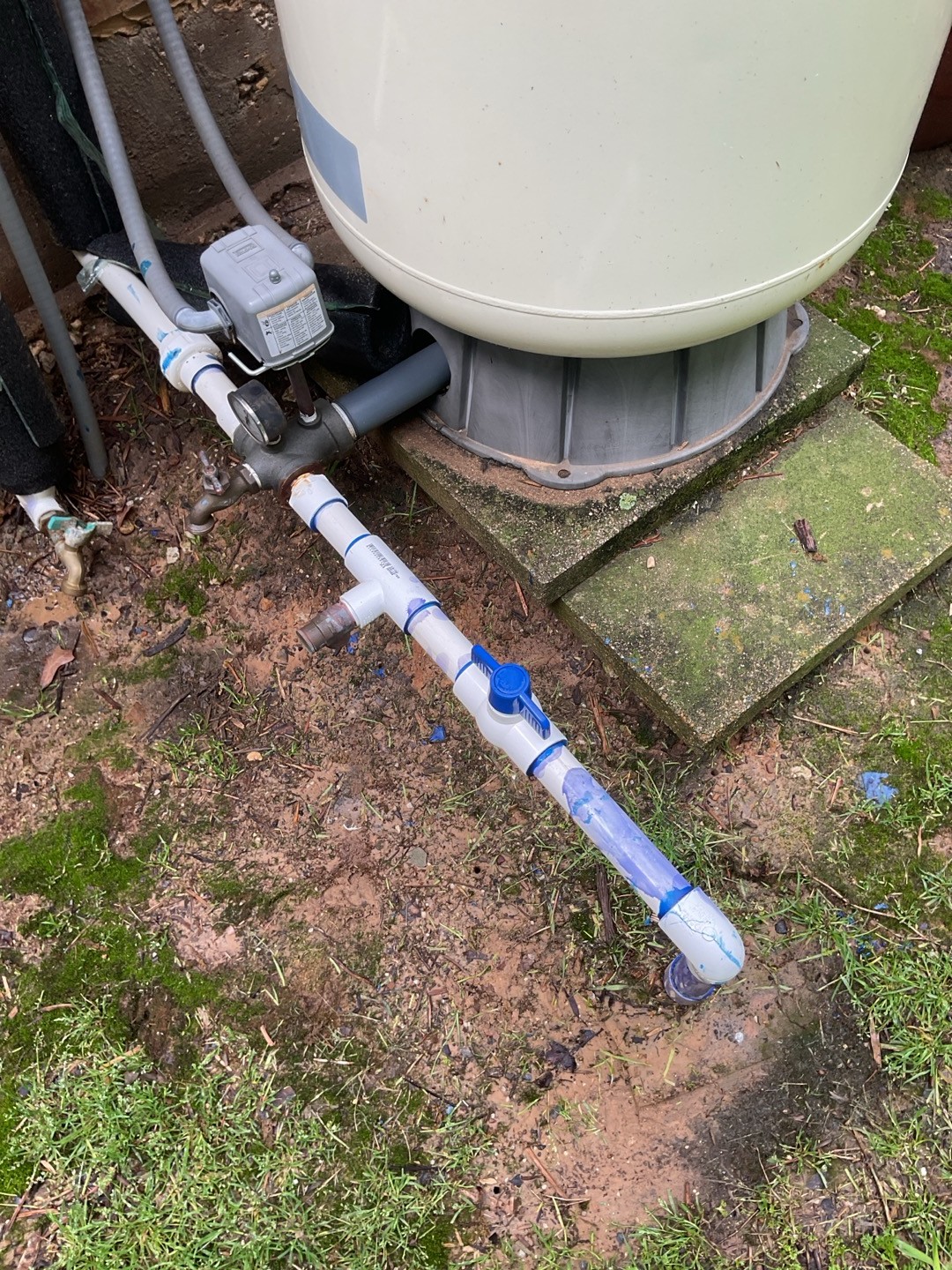
The pressure tank and switch run the on/off cycle that protects the pump motor from burnout. A waterlogged or perforated bladder, a cracked pressure switch diaphragm, or a tank with iron buildup on the inside walls all produce short-cycling — and short-cycling kills pumps. The inspector should drain the tank, check pre-charge against the switch setting, photograph the inside of the tank if accessible, and note the age and condition of the switch. If iron staining or biofilm shows up inside the tank, the buyer should also pull our companion iron bacteria well water guide before the inspection report is finalized.
3. Certified-Lab Water Test
This is the item buyers cut to save money and regret most often. A basic real-estate-closing water test covers bacteria (coliform and E. coli), nitrates, hardness, pH, and total dissolved solids. A complete North Texas panel adds iron bacteria, manganese, arsenic, lead, and chloride — and on Trinity Aquifer wells across the NE DFW corridor, those expanded items are exactly the ones most likely to come back elevated. Order the expanded panel. Flowcore offers well water testing across DFW with results-driven interpretation, not just numbers on a sheet.
4. Water Softener, Filtration, and UV Equipment
If the property has a softener, the inspector should check the regen timer, the salt level, the brine line, and the resin condition. If there's a filtration stage — sediment, carbon, or whole-house — verify filter age and housing condition. If there's UV disinfection, check the bulb and the pre-filter. Many estate properties in Southlake, Colleyville, and Grapevine carry softener-plus-filtration-plus-UV stacks that were installed five to ten years ago and never serviced. The walk-through identifies what's still functional, what needs replacement parts, and what would be more cost-effective to swap. For new homeowners planning a future upgrade, whole-house filtration and water treatment are the two service categories most relevant to bundled inspection findings.
5. Irrigation System Tied to the Well
Most NE DFW estate wells run irrigation alongside the domestic supply, and most rural NW Tarrant wells run at least a hose-bib irrigation loop for landscape and livestock water. A failing zone valve, a stuck rotor, or a leaking backflow preventer can hide as "well pressure problem" because the home loses pressure when the irrigation system cycles on. The inspector should verify each zone, walk the controller, and check the backflow preventer — especially after a freeze year, when backflow components are the most commonly damaged piece of any system.
Why a Pre-Purchase Well Inspection Matters More in DFW Than in Other Markets
The Trinity Aquifer and Cross Timbers zones that supply most North Texas private wells carry naturally occurring iron, manganese, and hardness — which means the treatment equipment matters more here than in regions with cleaner municipal water. North Texas has also had multiple hard freeze events in recent winters (2021, 2022, 2024), and many wells across the corridor took damage that was patched but never fully resolved — meaning the buyer is often inheriting paused failures. Standard home inspections rarely catch any of this; they verify "water is coming out of the tap," not what's in it or what condition the equipment is in.
What Estate Buyers in Southlake Should Watch For vs. New-Build Buyers in NW Tarrant
The buyer profile across these two markets is different enough that the inspection emphasis should shift. Estate buyers in Southlake, Colleyville, Grapevine, and Westlake typically inherit 15-to-25-year-old well systems that have been serviced by multiple companies over time — softener brands change, the pressure tank is sometimes a different vintage than the pump, and the irrigation system often has more zones than the original install was designed for. The inspection emphasis is on system integration and remaining service life. Compare that to rural NW Tarrant buyers in Saginaw, Haslet, and Eagle Mountain who are often buying into recent-build neighborhoods on shared aquifer zones — those wells are newer, but they're sometimes installed by the lowest bidder, with thin pressure tanks and undersized pumps. The inspection emphasis there is on whether the system was right-sized for the actual demand.
Flowcore handles pre-purchase inspections in well services in Southlake and well services in Saginaw alongside the rest of DFW.
What Happens After the Inspection? Negotiating Repairs at Closing
The written report is the leverage. If the inspection identifies a pump nearing end-of-life, an iron bacteria signature in the water test, a softener past service life, or a backflow preventer that failed a freeze test, those findings convert into specific requests at closing — repair credits, completed work before closing, or a price reduction. The report has to be in the buyer's hands inside the option period or financing contingency window. Many new homeowners follow up the inspection by enrolling in our maintenance plan the same week — putting the system on a known service rotation before the first failure.
Frequently Asked Questions About Pre-Purchase Well Inspections in North Texas
What's included in a pre-purchase well inspection in DFW?
A real pre-purchase well inspection covers the pump and motor, the pressure tank and pressure switch, the well seal and wellhead hardware, the control box and electrical, and a certified-lab water sample. It also looks at any softener, filtration, or treatment equipment in the wellhouse, and at the irrigation system if the property has one tied to the well. The deliverable is a written report with photographs and a finding-by-finding repair recommendation — that report is the document a buyer brings to the negotiation table before closing.
Can the buyer or the seller pay for the well inspection?
Either side can pay for it, and the convention varies by market and by contract. In NE DFW estate transactions (Southlake, Colleyville, Westlake), the buyer typically pays for and orders the inspection because the buyer wants the report in their own name for negotiation leverage. In rural NW Tarrant and Denton County transactions, sellers sometimes pre-order the inspection during the listing to signal a well-maintained property. The important detail is whose name the report is in — that determines who can use it to renegotiate or to claim findings against the seller.
What should a water test cover when buying a home with a well in North Texas?
A basic real-estate-closing water test covers bacteria (coliform and E. coli), nitrates, hardness, pH, and total dissolved solids. A complete North Texas water test adds iron bacteria, manganese, arsenic, lead, and chloride. Aquifer zones across DFW carry different mineral profiles — Trinity Aquifer wells in the NE DFW corridor often show iron and manganese; rural NW Tarrant wells show different combinations depending on depth. Skipping the expanded panel saves money up front and almost always costs more after the buyer moves in and discovers a problem the basic panel didn't catch.
How do I know if a well on a property I'm buying will need to be rehabbed soon?
Three signs in the inspection report. First, visible iron bacteria slime in the pressure tank or in any pulled fitting — a sign the well needs a chlorine shock, a UV install, and possibly a pressure-system rebuild before the next pump replacement cycle. Second, a pump that's at or past its expected service life with documented short-cycling history. Third, a water test that shows elevated iron, manganese, or coliform on a system without a UV stage. Any one of those is worth raising with the seller. Two or more typically means asking for a credit toward rehab work at closing.
Should I ask for a maintenance plan as part of the deal when buying a home with a well?
It's worth asking. Most well systems benefit from an annual or bi-annual maintenance visit that catches small issues before they become emergency calls — pressure tank pre-charge, pressure switch testing, softener regen check, irrigation backflow inspection. Some buyers negotiate a one-year maintenance plan as part of the seller's closing concessions. Even when the seller declines, signing up for a maintenance plan the week after closing puts the buyer on a service rotation before the first failure happens — typically the most cost-effective move a new well owner can make in their first year.
How long does a pre-purchase well inspection take?
Plan on a partial day. The inspection visit itself runs through the pump and motor diagnostic, pressure tank check, electrical, and softener walk-through, and the water sample is collected on-site. The lab portion of the water test takes additional time depending on the analyses ordered. Most buyers receive the written report within several business days. The expanded water panel (iron bacteria, arsenic, manganese, lead) can take longer than the basic real-estate panel. Build that lead time into the option period or financing contingency window so the findings can drive the negotiation rather than show up after the deadlines have closed.
Flowcore Water handles pre-purchase well inspections and maintenance across DFW — call (817) 480-7971 to schedule before your option period closes, and read our companion piece on the iron bacteria well water rehab process for the most common finding new well buyers run into in their first year.
Get Pre-Approved Financing
Flowcore Water partners with Greensky to offer convenient financing options for water well services
Flowcore Water Preferred Customer Membership
Enroll today and enjoy the year-long benefits!


