

Well Rehabilitation & Maintenance in Fort Worth & North Texas
Trusted by North Texas since 2006
Same-day Emergency Service
Financing Available
Skilled & Certified Professionals
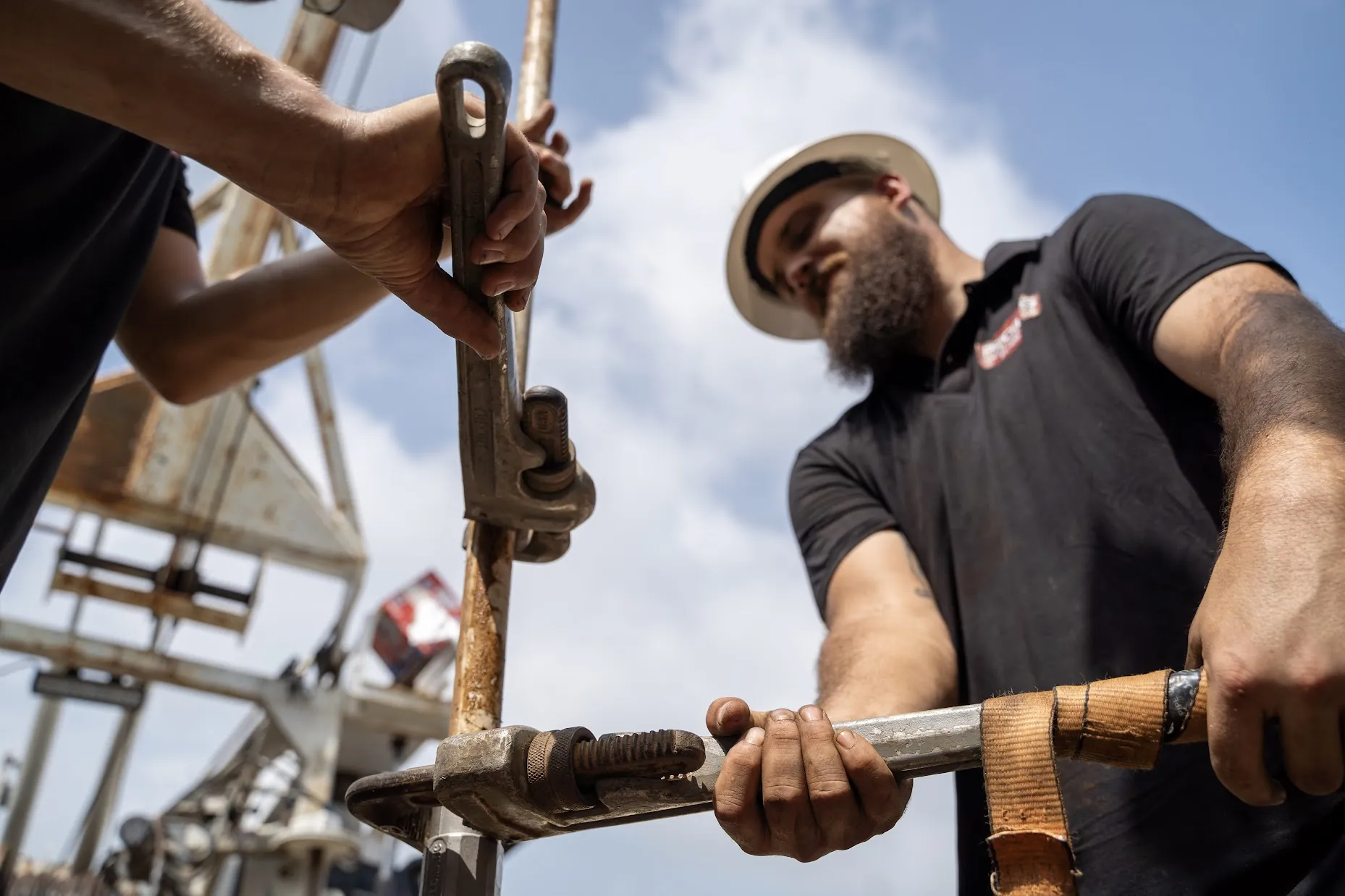
Flowcore Water provides well rehabilitation across Dallas–Fort Worth, restoring flow rates, resolving water quality failures, and diagnosing the root cause before recommending any work. We've served North Texas well owners since 2006 — through the Priceless Water Wells years and under the Flowcore Water name since 2025. Same licensed team, same diagnostic approach.
If your well isn't performing, call (817) 674-3285 or schedule online.
Why Choose Flowcore Water for Well Rehabilitation
Most well problems we're called to fix have already had money thrown at them — a new pump, a shock chlorination, a tank replacement — without anyone diagnosing why the well failed in the first place. That's the difference in how we work.
Before we recommend any rehabilitation, we run a well inspection and water quality test. That tells us whether the problem is bacterial, mineral, mechanical, or structural — and determines the right fix, not just the nearest fix.
We hold a Texas Water Well Drillers & Pump Installers License, carry a 100% satisfaction guarantee, and offer same-day or next-day service on most calls. We're a proud member of the Texas Water Quality Association and the Texas Ground Water Association. Financing is available for larger rehabilitation and replacement projects.
What Is Well Rehabilitation — and Is It Right for Your Well?
Well rehabilitation restores a well's flow rate, water quality, and overall performance without drilling a new well. Most wells degrade over time: mineral scale builds up on screens, biofilms colonize the casing, and pumps work progressively harder to compensate. What starts as slightly low pressure becomes short cycling, then pump failure, then a homeowner who's replaced the pump twice and still doesn't have reliable water.
Rehabilitation is the right call when your well's core structure is sound but performance has declined. When the casing, borehole, or aquifer connection is compromised beyond restoration, we'll tell you honestly and walk you through well drilling options if that's the right path.
What Are the Signs Your Well Needs Rehabilitation?
The earlier a problem is caught, the less invasive and less expensive the fix. Watch for:
Low or declining water pressure
Short cycling well pump
Discolored, cloudy, or sandy water
Metallic-tasting water
Foul or sulfur-like smell, especially after the water has sat unused
Elevated bacteria or contaminant levels on a water quality test
A pump replaced recently that still underperforms
That last one matters. If you've had your pump replaced without a well rehabilitation first and you're still seeing the same symptoms, the pump wasn't the cause. Schedule a well inspection before spending money on equipment again.
Is Iron Bacteria the Reason Your North Texas Well Keeps Failing?
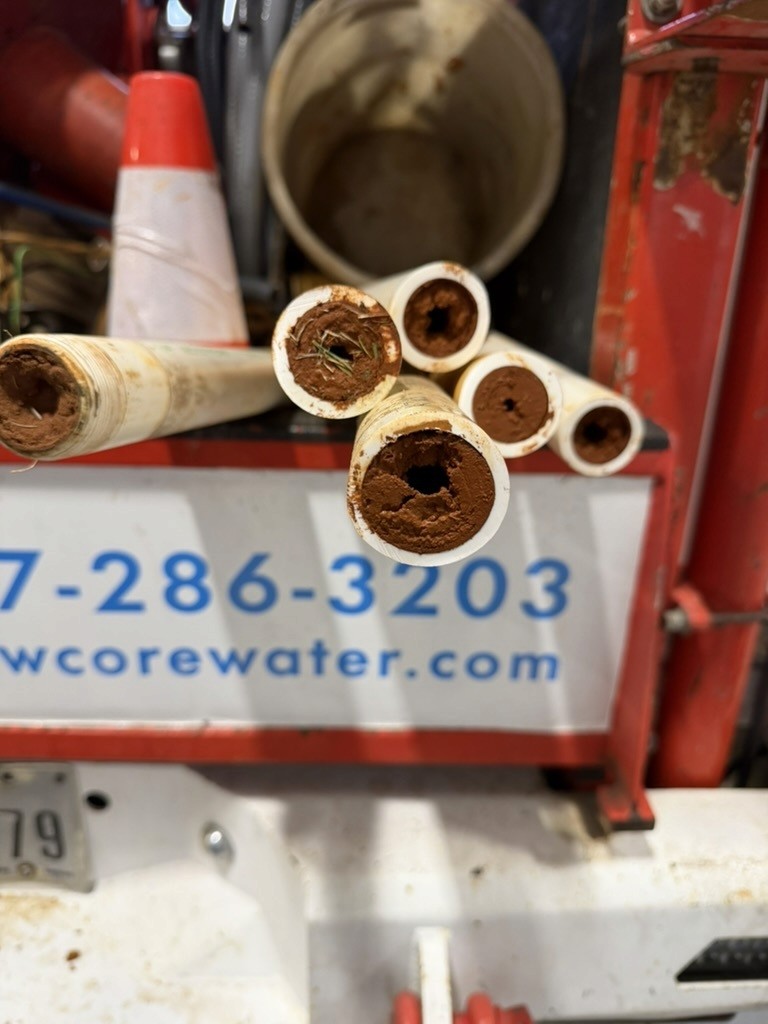
If your toilet tank has orange or reddish-brown slime, your water smells like sulfur after sitting unused, or your pump was replaced without solving the pressure problem — iron bacteria is the most likely cause. It's the most common well quality issue we diagnose across Grapevine, Southlake, Colleyville, and the rural fringe of NE DFW, and it's almost never resolved by a single chlorine shock.
Iron bacteria form a slow-growing biofilm on the inside of your well casing, pressure tank, and pump intake. That biofilm narrows water passages, reduces pressure at your fixtures, accelerates corrosion of pump and tank hardware, and creates the low-oxygen conditions where other harmful organisms take hold. Homeowners who replace the pump without rehabbing the well typically find the new pump failing again within a year — because the colony is still there.
Our iron bacteria rehabilitation follows a three-stage process: a full chlorine shock of the casing, plumbing, and water heater; a UV disinfection assembly to prevent recolonization; and a full pressure system evaluation to confirm the tank and motor weren't damaged by the colony. That sequence produces durable results — not a temporary knockback that returns in six months.
→ Read the full iron bacteria diagnosis and treatment guide, including a documented job from Lakeside Court, Grapevine: Iron Bacteria in North Texas Well Water
Chemical Cleaning and Disinfection
The right chemical treatment depends on what's actually in your well — which is why we test before we treat. For mineral scale — calcium, magnesium, and iron deposits that restrict flow through screens and casing perforations — acid treatments dissolve the buildup without damaging casing materials. For bacterial contamination and organic biofilm, chlorination and disinfection clears the colony from the casing and connected plumbing. For targeted problems like sulfide buildup or iron bacteria colonies, we use specialty cleaners matched to the specific contaminant.
We don't apply a standard chemical package to every well. The treatment is determined by your water quality test results — and we retest after rehabilitation to confirm it worked.
Mechanical Well Cleaning
For debris and mineral deposits that chemical treatment alone can't dislodge, we use hydro jetting — high-pressure water cleaning adapted for the well environment. It's effective at breaking up scale and sediment along the casing wall and screen without damaging the well structure, and is often used in combination with chemical treatments for wells with significant buildup.
Well Redevelopment and Structural Repair
If a video inspection reveals physical deterioration — cracked or corroded casing sections, a damaged or missing screen — we address the structure as part of the rehabilitation process. Depending on what the camera shows, this may include liner installation to seal compromised sections, screen repair or full replacement, or redevelopment work to restore the borehole-to-aquifer connection. We walk you through the video findings before any structural work begins.
For wells too deteriorated to rehab cost-effectively, we provide honest guidance on well drilling. For wells being decommissioned, we also handle well abandonment and plugging in compliance with TCEQ requirements.
Restore Your Well's Performance
Flowcore Water serves well owners across NE DFW — including Grapevine, Southlake, Colleyville, Argyle, Haslet, Azle, Springtown, Keller, Mansfield, and surrounding communities. Iron bacteria is particularly common in the Trinity Aquifer wells across NE Tarrant and southern Denton County — if you're in those areas and have older equipment, a rehabilitation evaluation is worth scheduling before the next pump failure.
Call (817) 674-3285 or schedule online.
Frequently Asked Questions: Well Rehabilitation in North Texas
How much does well rehabilitation cost in DFW compared to drilling a new well?
Well rehabilitation in the DFW area typically costs significantly less than drilling a new well. New residential well drilling in North Texas generally runs $15,000–$25,000 or more depending on depth and geology. Rehabilitation — depending on the method required — is often a fraction of that cost. The right answer depends on what a well inspection and water quality test find. If the casing and borehole are structurally sound, rehabilitation is almost always the better investment. We provide upfront pricing before any work begins. Call (817) 674-3285 for a same-day or next-day evaluation.
How do I know if my well needs rehabilitation or just a pump replacement?
If your pump was replaced but you're still experiencing low pressure, short cycling, or water quality issues, the pump was not the underlying problem. Pump failures in NE DFW wells are frequently caused by iron bacteria biofilm or mineral scale restricting flow — problems that live in the casing and screen, not the pump itself. Replacing the pump without rehabilitating the well means the new pump operates under the same conditions that killed the previous one. A well inspection will identify whether the issue is mechanical, bacterial, or structural before you spend money on equipment.
What causes the reddish-brown slime in my toilet tank if I'm on well water in Grapevine, Southlake, or Colleyville?
That slime is almost certainly iron bacteria — a naturally occurring organism common in the Trinity Aquifer formations underlying NE Tarrant and southern Denton County. It feeds on iron in groundwater and forms a sticky biofilm that coats your well casing, pump intake, pressure tank, and household plumbing. It is not eliminated by shock chlorination alone. Left untreated, it progressively reduces flow, damages equipment, and creates conditions for other bacterial contamination. Well rehabilitation with a targeted disinfection protocol and UV system is the appropriate fix. See our full guide: Iron Bacteria in North Texas Well Water.
How long does well rehabilitation take?
Most residential well rehabilitation jobs in DFW are completed in one day. Chemical treatments require a contact time period — typically 12–24 hours — before the well is flushed and returned to service. If structural repairs such as liner installation or screen replacement are needed, the timeline extends depending on scope. We'll give you a clear timeline before work begins.
Does well rehabilitation work permanently, or will the problem come back?
It depends on the cause. Mineral scale, once removed with acid treatment, does not return at the same rate if the underlying water chemistry hasn't changed — though periodic maintenance is still recommended. Iron bacteria is more likely to recolonize over time, which is why our rehabilitation protocol includes a UV disinfection assembly to prevent regrowth, not just a one-time shock treatment. We recommend annual well water testing to catch any early signs of recolonization before performance declines again.
Can Flowcore Water rehabilitate a well that another company already worked on?
Yes. We regularly diagnose and rehabilitate wells that have had prior service from other contractors — including wells where the pump has been replaced one or more times without resolving the root problem. We start with a video inspection and water quality test to establish what's actually happening in the well before recommending any treatment. We serve the full DFW area including Grapevine, Southlake, Colleyville, Keller, Argyle, Haslet, Azle, and surrounding communities across Tarrant, Denton, Parker, and Wise counties.
Why does my well water smell like sulfur, especially after vacation or a long weekend?
Sulfur smell that intensifies after water has sat unused is a strong indicator of sulfate-reducing bacteria or iron bacteria activity in your well or pressure tank. These organisms produce hydrogen sulfide gas as a byproduct — that's the sulfur or rotten egg odor. The smell is often worse after a period of no water use because the bacteria have had time to reproduce without being flushed. A water quality test will confirm the specific contaminant, and our rehabilitation protocol addresses both the colony and the conditions that allowed it to establish.