






OUR SERVICEs
Services we offer in Mansfield, TX

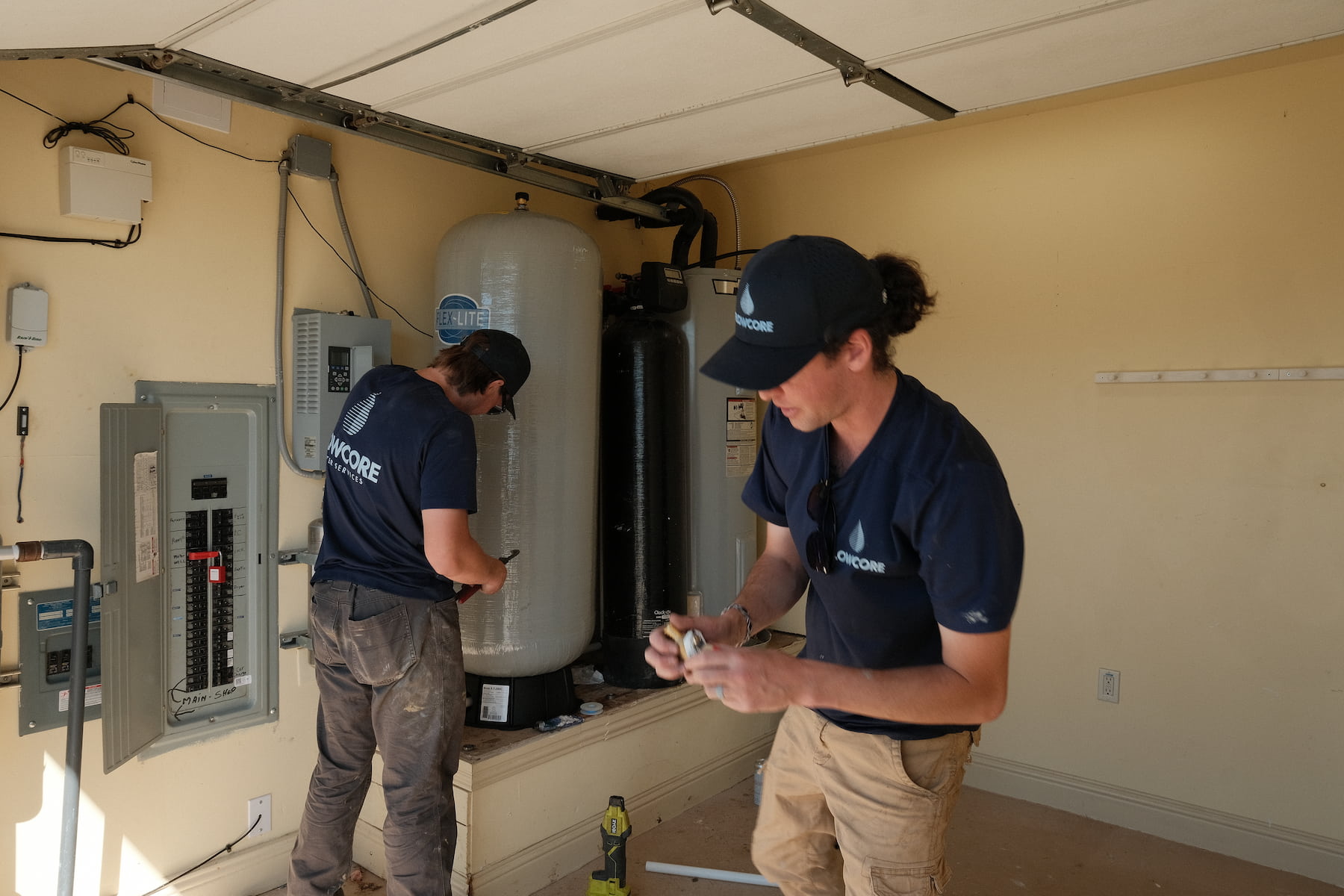
Water Wells
Same-day water well repairs, well water testing and drilling across DFW and all of North Texas.
Water Services
Professional water treatment, filtration, and irrigation for homes across DFW and North Texas.

Plumbing
Fast, reliable plumbing repairs and installations for DFW homes — same day or next day.
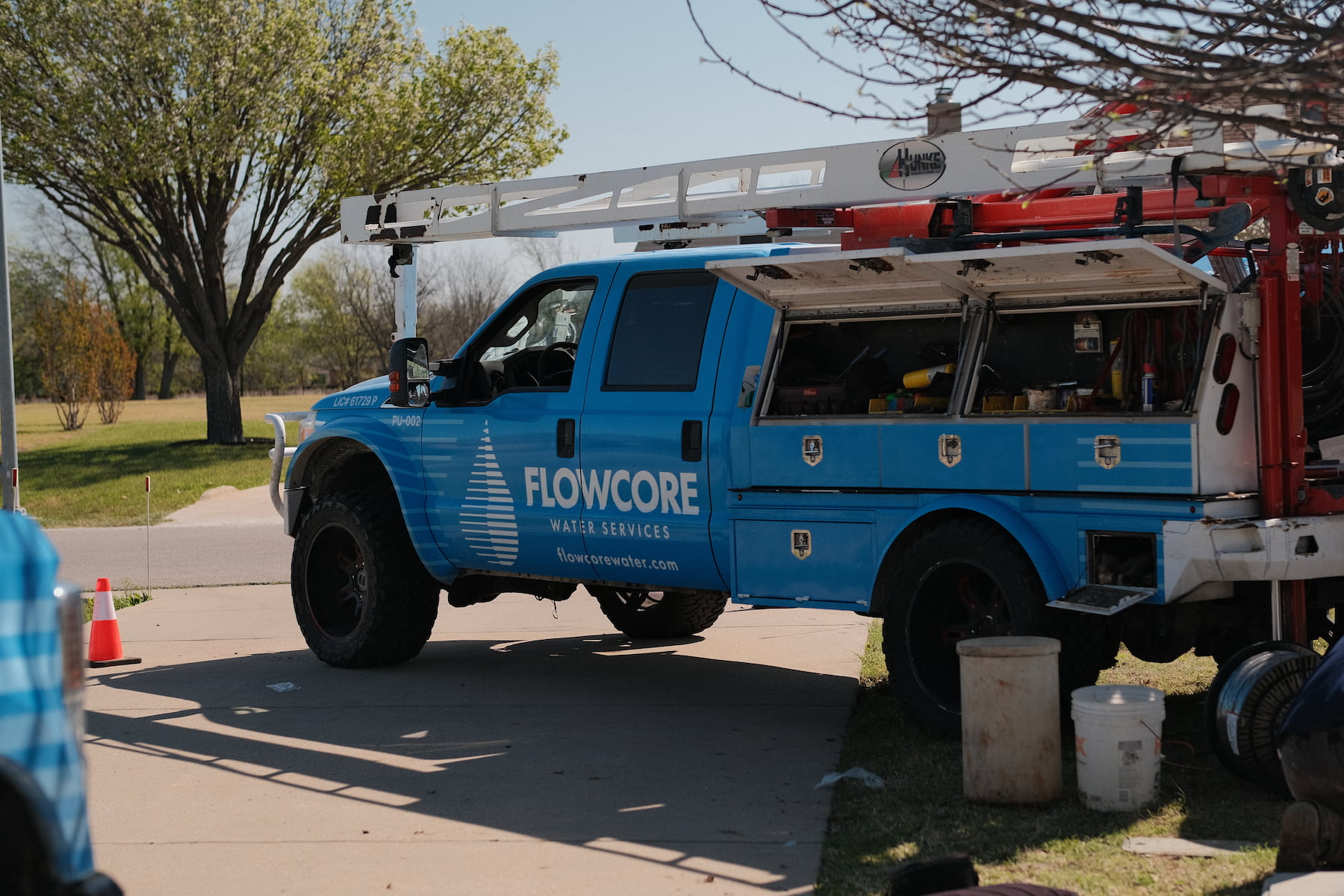
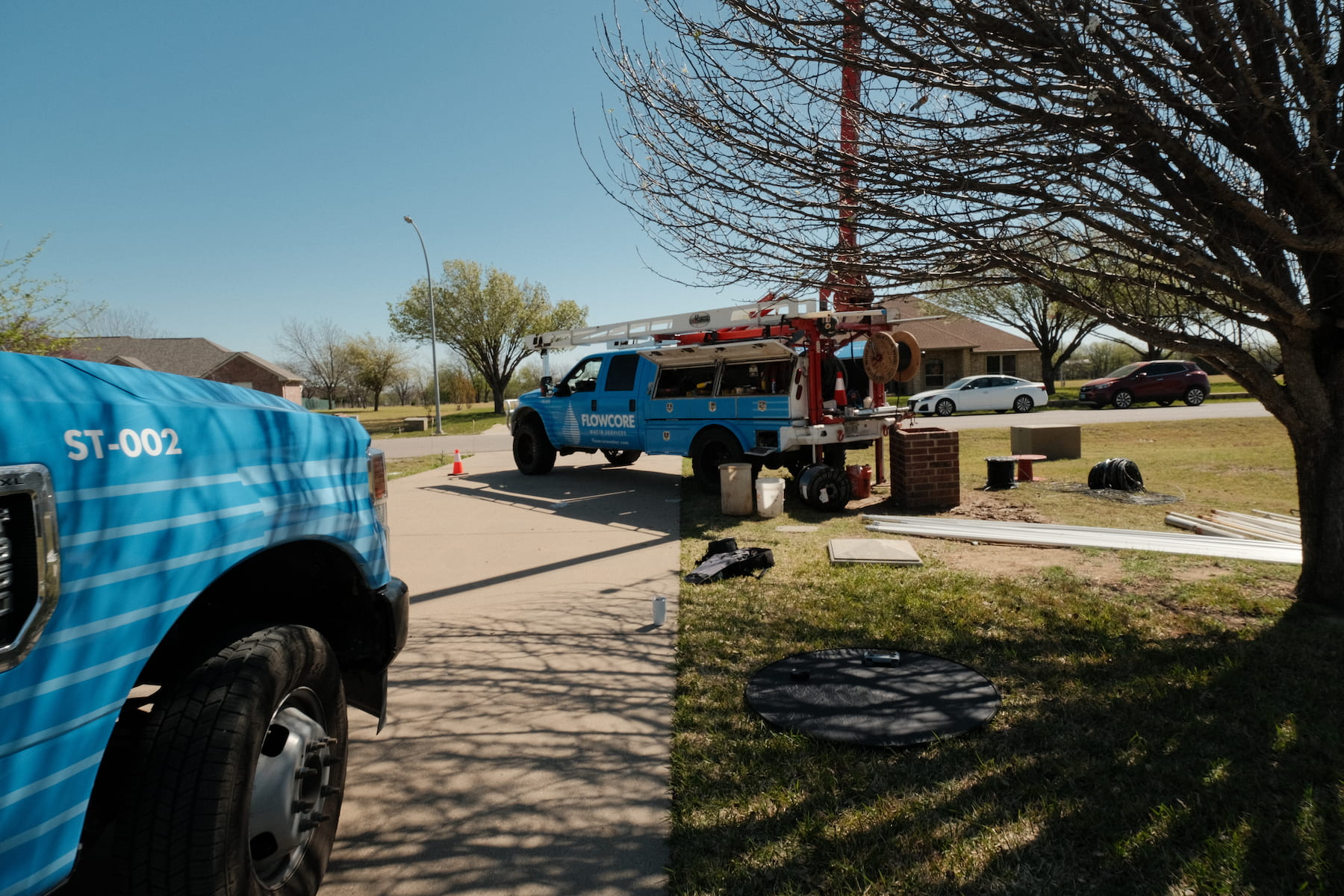
Drilling a private water well is one of the most consequential decisions a property owner makes — the depth, location, and construction of the well determines the long-term reliability of the water supply. Flowcore Water provides licensed well drilling in Mansfield, TX, serving rural and semi-rural properties across Tarrant County and into the Johnson County corridor to the south.
Our TCEQ-licensed drilling crews handle new well construction from site assessment through casing, pump installation, and final water quality testing. To discuss a drilling project on your property, call (817) 480-7971 or schedule a consultation online.
What Makes Mansfield a Distinct Well Drilling Market?
Mansfield sits at the edge of the Fort Worth suburban sprawl, where the density of the city gives way to larger lots, acreage tracts, and rural properties extending south toward Burleson, Midlothian, and Cleburne. This transition zone produces a well drilling market that's different from the dense urban core — properties tend to be larger, many are on acreage, and a meaningful share are either off city water by choice or outside the service area of municipal systems entirely.
Geologically, the Mansfield area overlies portions of the Trinity Aquifer Group — a layered system of sandstone and limestone formations that supplies private wells across a large swath of North Texas. Productive zones in this system vary by location and depth. Some properties tap shallower Cretaceous formations; others require drilling deeper to reach reliable yield in the Paluxy or Travis Peak sands. Flowcore's site assessment process evaluates what the local geology and well records in the area suggest about the most productive target depth for your specific property before any drilling begins.
Properties in the rural southeastern end of Mansfield — and particularly those crossing into Johnson County — may also encounter the Woodbine formation, which is productive in parts of that county. Understanding which formation you're targeting matters for well design, pump sizing, and long-term yield expectations.
How Does the Well Drilling Process Work With Flowcore?
Before the rig arrives, Flowcore reviews available well records and formation data for the surrounding area, evaluates the site for rig access, and discusses your water use requirements — household size, irrigation needs, livestock, and any other demand factors that affect how a well should be designed. This pre-drill work is where good decisions get made. A well drilled to the wrong depth or sized for the wrong pump is harder and more expensive to correct after the fact.
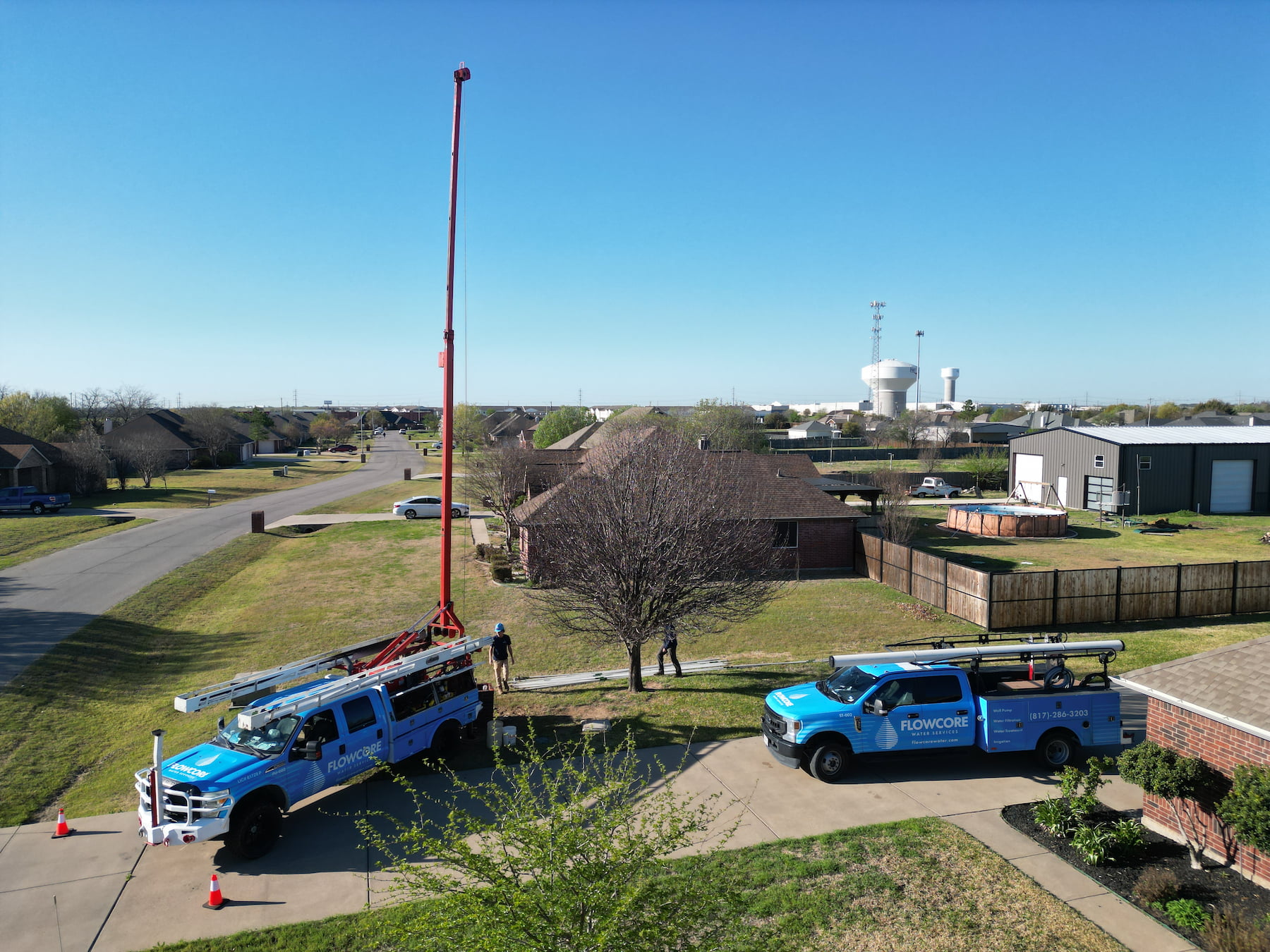
Drilling itself uses a rotary drill system. As the hole advances, our crew monitors the cuttings and adjusts based on what the formation is showing. When a productive zone is reached and verified, the well is cased with steel or PVC casing appropriate for the formation and depth, grouted at the surface to prevent surface water intrusion, and finished with a sanitary cap at the wellhead. Casing specifications follow TCEQ requirements for private water wells in Texas.
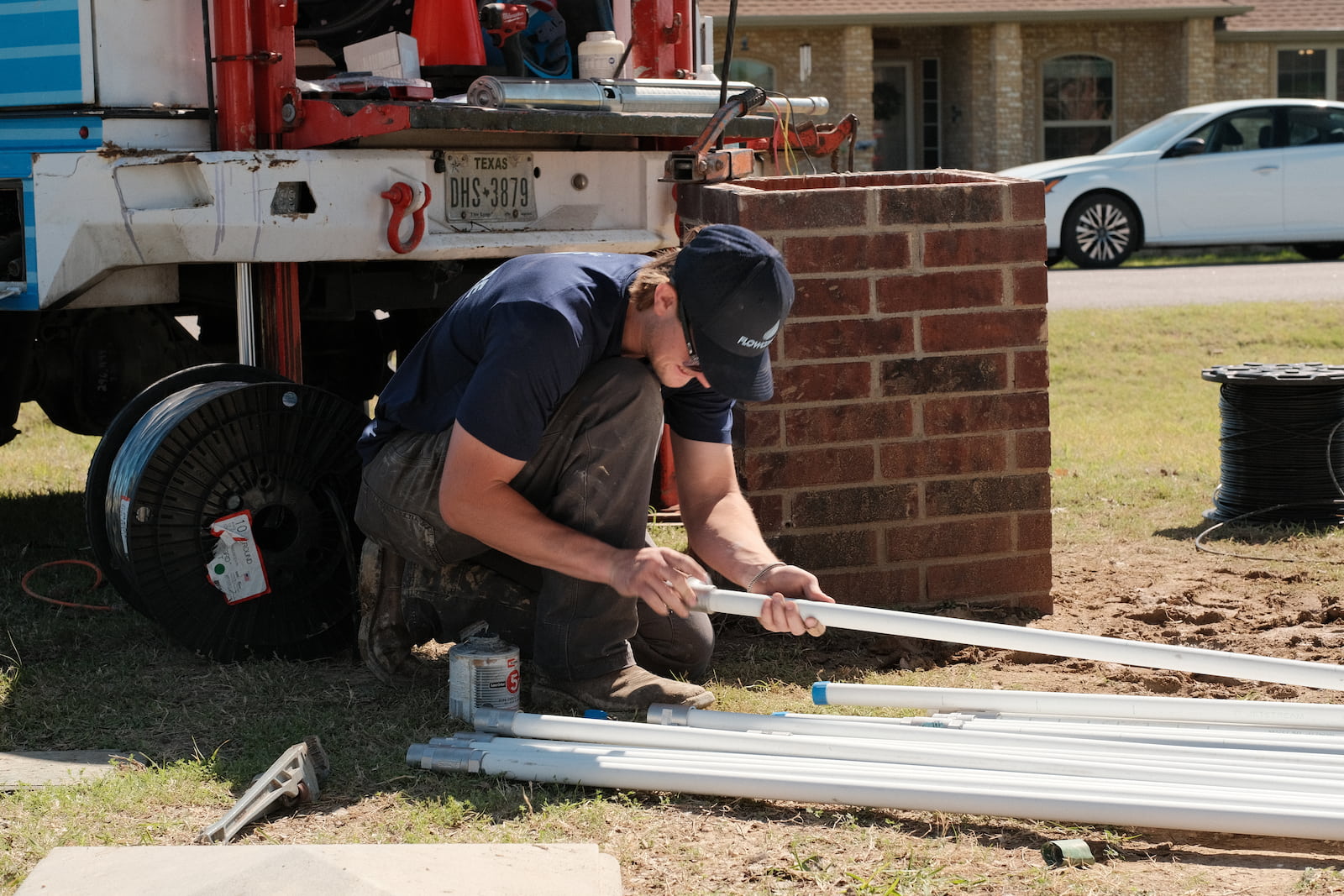
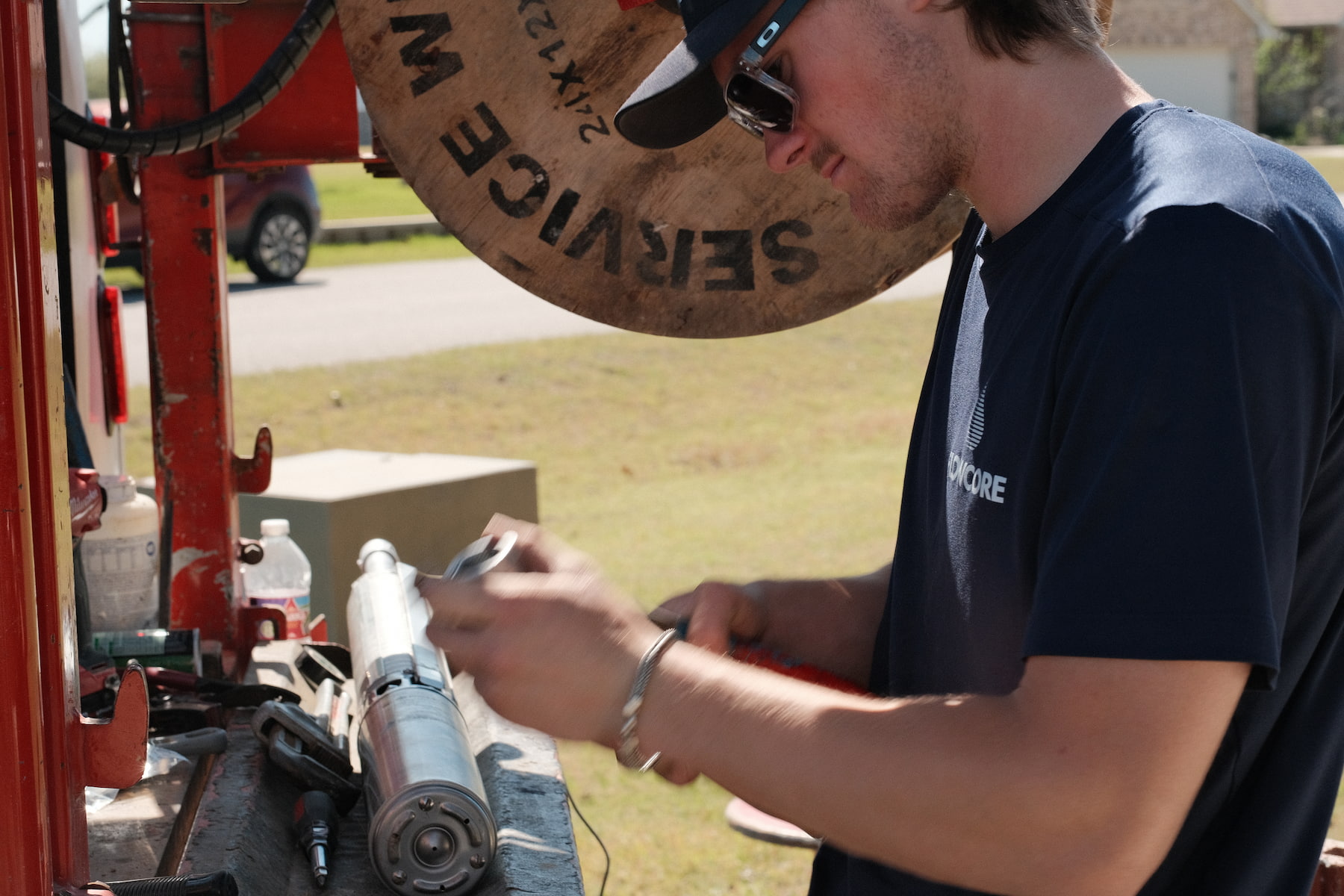
After drilling and casing are complete, pump installation is the next step. Flowcore handles pump design and sizing as part of the drilling package — we select a submersible pump matched to the well's yield, the property's pressure requirements, and the depth of the productive zone. Oversizing or undersizing a pump relative to the well's actual yield is a common source of long-term problems; we size from the well data, not from a catalog default. Our full range of well drilling services includes site assessment, drilling, casing, pump installation, and system startup.
Once the well is complete and the pump is running, a water quality test confirms what the well is producing and whether any treatment is needed before the water enters the home. This test is a standard part of responsible new well construction — the formation chemistry can vary from the surrounding area, and a new well should be tested before you start using the water.
Why Choose Flowcore for Well Drilling Near Mansfield, TX?
Flowcore Water's crews are TCEQ-licensed and have drilled wells across Tarrant, Johnson, Denton, Parker, and surrounding North Texas counties. We understand the formation variability in this region and bring local drilling experience rather than a one-depth-fits-all approach. Because we also provide well pump repair, well inspection, water treatment, and ongoing maintenance services, a new well we drill stays in our service network — you're not starting over with a new contractor every time something needs attention.
Our operational base in Saginaw puts us in close proximity to Mansfield and the rural properties south of the city, reducing mobilization time for drilling projects in this corridor. We work with property owners on realistic timelines and provide a clear scope of the project before drilling begins — including what we expect to find based on local formation data and what the well permit and TCEQ reporting process requires.
Frequently Asked Questions About Well Drilling in Mansfield, TX
Do I need a permit to drill a water well on my Mansfield-area property?
Yes. Private water wells in Texas must be drilled by a TCEQ-licensed water well driller, and the completed well must be reported to the Texas Water Development Board. In Tarrant County, you may also need to coordinate with the Tarrant Regional Water District depending on your location. Flowcore manages the TCEQ reporting requirements as part of the drilling process — we file the required completion report with well construction details and water level data after the well is finished. We'll walk you through any local permit steps specific to your property's location before drilling begins.
How deep will my well need to be on a Mansfield-area property?
That depends on which formation is being targeted and what the available yield data shows for your specific area. In the Mansfield corridor, productive zones in the Trinity Aquifer Group vary by location — properties closer to the urban core of Tarrant County may need to go deeper to reach reliable yield compared to properties in the less-developed areas to the south. Before giving a depth estimate, Flowcore reviews available well records from nearby properties, assesses local formation data, and evaluates the site. A pre-drill consultation gives you a realistic depth range and yield expectation before you commit to the project.
How long does it take to drill a new well and get water running to the house?
For a residential water well at a typical depth in this area, drilling and casing typically take one to two days on site. Pump installation, pressure tank setup, and connection to the house plumbing add additional time depending on the complexity of the system and any electrical work required. A water quality test follows, with lab results returning within a few business days. Most new residential well projects are producing water to the house within a week of drilling start, assuming no unexpected formation challenges. Projects on properties with more complex access, deeper required depths, or unusual formation conditions may take longer. Flowcore will give you a realistic timeline specific to your site before the project begins. Call (817) 480-7971 to start the conversation.
Flowcore Water serves Mansfield, TX and the surrounding Tarrant and Johnson County area for new well drilling and all related well services. To discuss your property and get a project assessment, visit our Mansfield service area page, call (817) 480-7971, or schedule a consultation online.
Real Jobs. Real Results.